Vinegar and baking soda can freshen a drain and loosen a thin film of soap and grease, but they will not clear a real clog made of hair, wipes, or packed food. For a slow drain, flush with hot tap water, then use a plunger. For a drain that is fully blocked, a plunger or a wet-dry vacuum works better than any fizz.
If water backs up in more than one fixture, stop. That points to the main line, and no home remedy will fix it.
The vinegar and baking soda trick is popular because the foam looks like it is working. The reaction makes water, a little carbon dioxide, and sodium acetate. It is gentle and safe for pipes, but it is also weak. Foam does not push a hairball out of a trap.
A drain clog is a physical object in the pipe. Hair mats around a stopper, grease hardens on the pipe wall, and wipes ball up at a bend. To clear one, you either break it up, pull it out, or push it through. Below is a plain look at each home method, how to use it, and when a plumber doing drain cleaning is the better call.
Home drain methods compared
Match the method to the clog. The table shows where each one helps and where it does not.
| Method | Good for | Does not help with | Caution |
|---|---|---|---|
| Vinegar and baking soda | Light soap film and odor in a slow drain | Hair, wipes, solid blockages | Never combine with bleach or a commercial opener |
| Hot tap water | Fresh grease and soap in kitchen or bathroom sinks | Hair clogs and deep blockages | Skip boiling water on PVC or porcelain |
| Cup plunger | Sink and tub clogs close to the drain | Clogs far down the line | Seal the overflow opening first |
| Wet-dry vacuum | Clogs a few feet down, standing water | Anything beyond the trap | Set on liquid mode and use a tight seal |
| Hand drain snake | Hair and paper in tub or sink drains | Roots or a collapsed pipe | Do not force it past resistance |
Boiling water can soften PVC joints and crack cold porcelain, so use hot tap water instead.
Kitchen clogs and bathroom clogs are different problems
Kitchen drains clog with grease, coffee grounds, and food scraps. Grease is liquid when hot and solid when it cools, so it coats the pipe wall a little further down with each use. Hot tap water and dish soap can move a fresh film along, but a thick layer needs mechanical cleaning.
Bathroom drains clog with hair and soap scum. The hair wraps around the stopper or the pivot rod and catches everything else. Here, pulling the hair out by hand or with a plastic drain strip beats any liquid.
How to use vinegar the right way
First, pull the stopper and remove any hair you can see. Pour half a cup of baking soda into the drain, followed by a cup of white vinegar. Cover the drain with a plug for about 15 minutes so the fizz works downward.
Then flush with a few quarts of hot tap water, not boiling. This clears the loosened film. If water still drains slowly, the clog is not a film, and more vinegar will not help.
Drain still slow after you tried everything?
A licensed plumber can cable or jet the line and show you what was in it. Call (407) 964-8940 any hour. The line is open 24/7.
Do not mix vinegar with bleach or drain openers
Vinegar plus bleach releases chlorine gas, which harms your lungs. Vinegar plus a caustic drain opener can splatter or react unpredictably. If you have used a chemical cleaner, do not add vinegar, and warn anyone who works on the drain, since the standing liquid can burn skin.
Clearing a slow sink or tub with a plunger
A plunger moves water back and forth to break a clog loose. It is the best first tool for most households.
Block the overflow
Hold a wet rag against the overflow opening on the sink or tub. This keeps the pressure in the drain, not in the air.
Cover the drain with water
Add enough water to cover the plunger cup. A dry cup moves air, not water.
Plunge in short strokes
Seal the cup over the drain and push and pull ten to fifteen times. Keep the cup sealed on the upstroke.
Check and repeat
If the water drops fast, flush with hot tap water. If it does not move after a few rounds, the clog is deeper.
Before you reach for anything
A few quick checks save time and help you pick the right method.
- Check if it is one drain or several
- Look for visible hair or debris at the stopper
- Listen for gurgling in nearby fixtures
- Test with a cup of water to see how fast it drops
- Take off the trap under a sink only if you are comfortable and have a bucket ready
- Never use a chemical cleaner and a plunger together
Wet-dry vacuum and drain snake
A wet-dry vacuum can pull a clog out of a sink drain. Set it on liquid mode, seal the hose against the opening with a rag, and run it. This works when the clog is within a few feet.
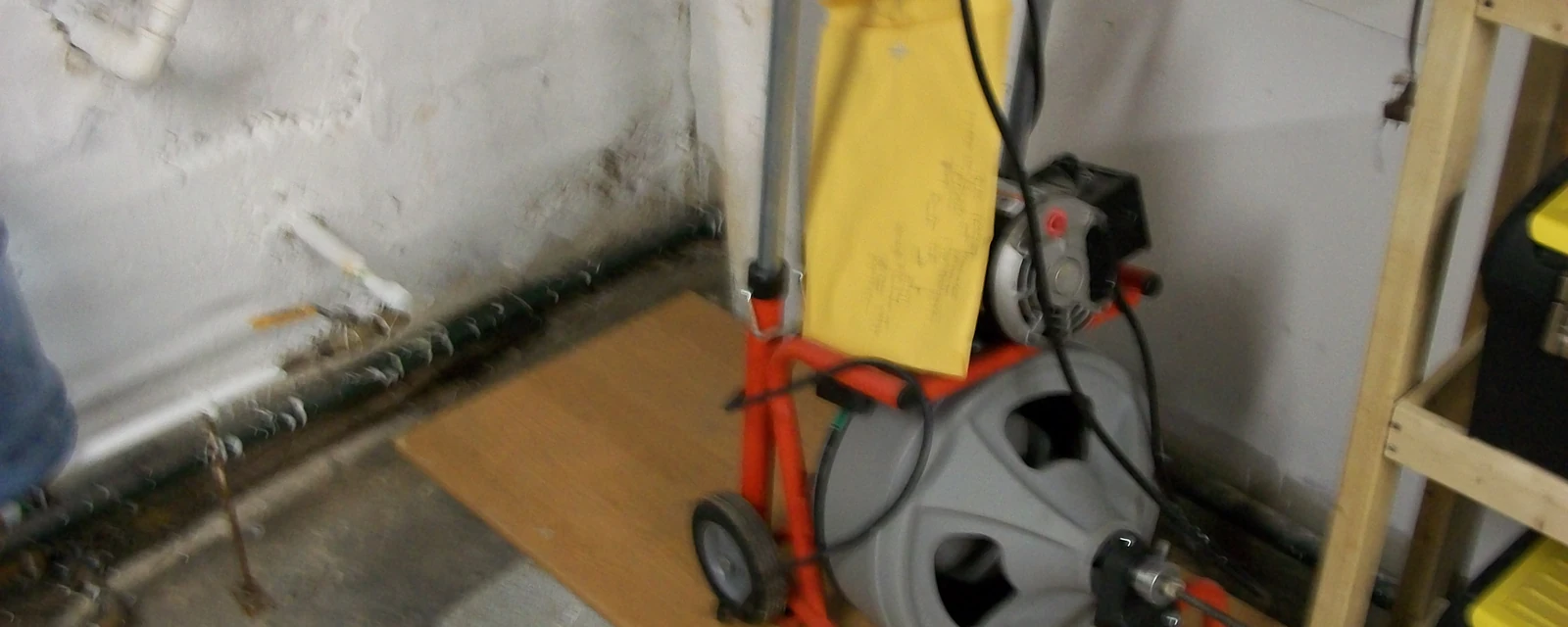
A hand snake, sometimes called a drum auger, is the next step. Feed the cable in until you feel resistance, crank it to hook the clog, and pull it out. Stop if the cable meets a solid stop or if it keeps returning with roots. Forcing it can scratch a pipe or push the clog into a bend.
Winter Springs water, odors, and pink residue
The city of Winter Springs says the sulfur odor and orange stains some homes see come from shallow irrigation-well groundwater, not from reclaimed water. The city serves 1,711 reclaimed water connections.
It also says the pink residue that appears in sinks is typically harmless fungi. The city suggests soaking aerators in dilute bleach, so keep vinegar out of that step and rinse well. If the smell comes from the drain and not the tap, the trap may be dry or the vent partly blocked.
Source type: city utility division page, winterspringsfl.org
Signs that a home method will not be enough
Gurgling from a drain when another fixture runs means air is stuck in the line. Water rising in a tub when the washer drains means the main line is slow. A toilet that bubbles when you run a sink is another sign.
If two or more fixtures slow down at the same time, the blockage is likely in the main line or the sewer lateral. Plungers and vinegar will not reach it. Stop using water and call.
Repeated clogs in the same drain also tell a story. A line that clogs every few months has buildup or a bad slope that a quick clear will not fix.
Enzyme cleaners and store-bought openers
Enzyme cleaners use bacteria to digest organic buildup slowly. They are mild, safe for pipes, and fine for maintenance, but they take hours or days and will not open a blocked drain on the spot.
Caustic openers act faster but are hard on skin, eyes, and some older pipe materials. They can also sit in the line without moving if the clog is solid, leaving a hazard for the next person who opens the trap. If you must use one, follow the label exactly, ventilate the room, and do not stack products.
What a plumber does that a home method cannot
A professional cable machine reaches much farther and cuts through hair and roots instead of just poking a hole. For heavy grease, scale, or repeat clogs, hydro jetting uses high-pressure water to scour the pipe wall clean.
A camera can show what is actually in the line. Ask for a clear price before work starts, and ask whether the camera is part of the visit. Cleaning a line without finding out why it clogged only buys time.
Habits that keep drains clear
Use a mesh strainer in tubs and showers to catch hair. Wipe greasy pans with a paper towel before washing. Do not flush wipes labeled flushable, because they do not break down like toilet paper.
Run hot water for a minute after the dishwasher drains to carry soap film along. These small habits do more than monthly vinegar treatments, and they cost almost nothing.
Questions readers ask
No. Vinegar is a mild acid and does not break down hair, which is mostly protein. It can loosen soap film around a hairball, but you still need to pull the hair out.
Use hot tap water instead. Boiling water can soften PVC pipe joints and crack a cold porcelain sink or toilet. It also splashes badly if the water backs up.
Do not plunge over standing chemical cleaner, because it can splash back onto your skin and eyes. Tell the plumber if you used a cleaner, so they can wear gloves and eye protection.
The city says it is typically harmless fungi. Clean the sink, and soak aerators in dilute bleach as the city suggests. Do not mix the bleach with vinegar or any other cleaner.